
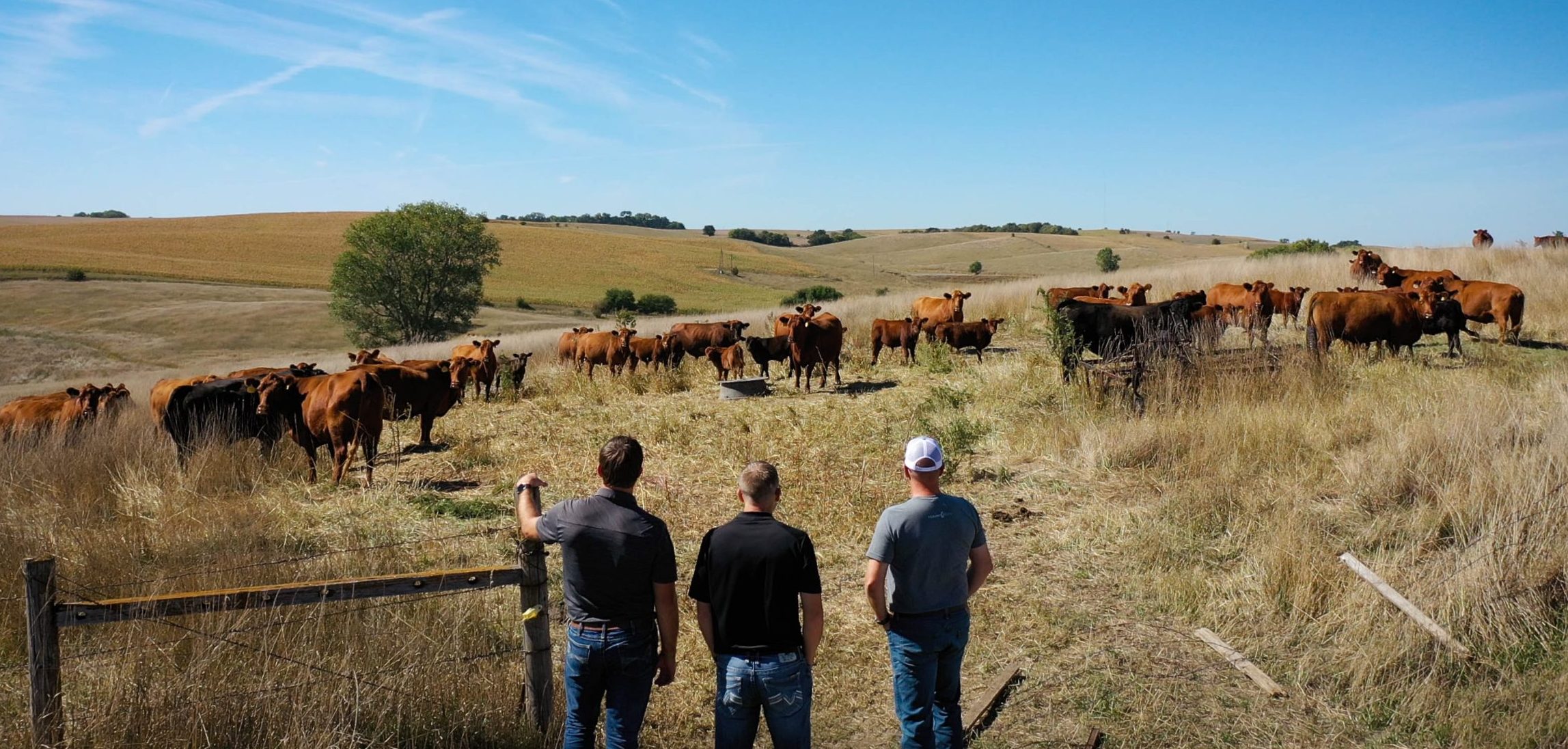
Nebraska agriculture enters 2026 facing one of the most complex risk environments in recent memory. From increasingly unpredictable weather to rising production costs and tightening financial margins, farmers and ranchers across the state are navigating conditions that make comprehensive farm insurance not just helpful, but essential.
Here’s what’s driving the heightened need for strong insurance protection this year.
Drought and Extreme Weather Are Becoming More Frequent and Severe
Much of Nebraska is experiencing dry or drought-related conditions, which are dramatically affecting land, water supplies, and livestock numbers. These conditions have pushed herd sizes to their lowest levels in seven decades, while rising temperatures and shifting rainfall patterns increase the likelihood of both flash droughts and flood-producing storms.
Updated climate assessments show Nebraska continues to trend warmer and wetter overall, with increased evaporation, delayed winters, heavier spring rains, and more frequent extreme precipitation events, all of which disrupt planting, pollination, and harvest timing.
More heat, erratic rainfall, and growing-season stress are expected to intensify through mid-century, threatening the stability of yields across the state.
What this means for farmers:
Weather volatility is no longer an occasional challenge; it is now a constant operating condition. Insurance products that protect against drought, excess moisture, heat stress, and storm-related losses are indispensable for long-term financial stability.
Rising Costs Are Squeezing Operating Margins
Nebraska producers are being hit from all sides with higher costs:
- Interest rates on agricultural loans averaged higher in 2025, significantly increasing borrowing costs that carry into 2026.
- Land values and rents surged from 2024–2025, driving up both taxes and insurance costs.
- Equipment and machinery parts have increased since 2020, straining maintenance budgets.
- Fertilizer costs have climbed sharply, with corn fertilizer expenses increasing since 2020.
These rising expenses come at a time when commodity prices remain low, leaving many operations with negative margins for a second consecutive year.
What this means for farmers:
With expenses up and income tight, an uninsured loss could jeopardize the entire operation. Insurance acts as a financial shock absorber when margins are too tight to absorb unexpected setbacks.
Nebraska Farm Income Trends Reveal a Growing Dependence on Risk Management
Although Nebraska’s overall farm income improved in 2025, experts warn that the outlook for 2026 remains mixed and uncertain, with crop receipts down from record levels in 2022.
Livestock receipts are helping stabilize the statewide outlook, but they cannot compensate for ongoing volatility in crop markets, global trade factors, and policy-driven swings. Government support remains an important factor in the income picture, underscoring the sector’s vulnerability.
What this means for farmers:
Insurance programs, from multi-peril crop insurance to revenue protection and livestock policies, serve as essential tools to balance unstable market conditions.
Drought Declarations and Disaster Programs Highlight the Scale of Risk
The USDA designated several Nebraska counties as natural disaster areas due to severe, extreme, or exceptional drought, qualifying producers for emergency loans and other assistance. Nationally, drought remains the top cause of crop insurance indemnities.
What this means for farmers:
Participation in federal crop insurance and supplemental programs is increasingly critical. Without coverage, producers risk missing access to essential financial recovery tools when natural disasters strike.
Specialized Coverage Options Are Growing in Importance
Programs like Pasture, Rangeland, and Forage (PRF) Insurance have become vital for Nebraska livestock producers. PRF provides rainfall-index-based coverage to offset feed costs during droughts, and participation has climbed sharply as producers seek more predictable protection.
What this means for farmers:
As risk increases, so does the need for coverage tailored to a farm’s specific operation, whether row crops, cattle, hay, or diversified enterprises.
The Bottom Line: 2026 Is a Year to Strengthen Your Safety Net
With Nebraska agriculture facing unprecedented environmental, economic, and operational pressures, farm insurance is no longer optional; it’s foundational.
A well-designed insurance plan helps you:
- Protect your yields from climate-driven volatility
- Safeguard revenue when markets soften
- Stabilize cash flow in drought years
- Preserve herd viability and grazing resources
- Maintain financial resilience for long-term success
At Midwest Bank Agency, we work directly with local producers to build flexible, affordable insurance strategies that match your operation’s size, risks, and goals.
Ready to protect your operation for 2026 and beyond?
Our agricultural insurance specialists are here to help you navigate today’s risks with confidence.
Reach out to your local Midwest Bank Agency team to get started.